![[logo]](https://internationalministries.org/wp-content/themes/blankslate/images/im-logo.png)


I’m waxing poetic about one of my favorite symbols: bridges.
At our missionary training more than a decade ago, we were told that leaving our home culture and moving to another would be like crossing a “transition bridge.”

In the main stairwell hung a picture of a rickety rope bridge disappearing into a misty unknown. It reminded me of a bridge Larry and I once crossed in Liberia—shaky, unstable, uncertain, and even a little dangerous. Much of my missionary life (and life as a wife and mother) has felt like an unpredictable adventure filled with both risk and grace.
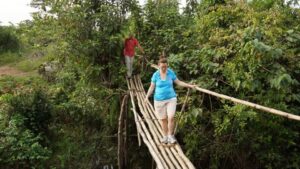
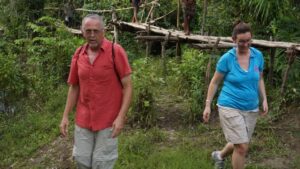
Recently, my spiritual director invited me to consider an image that captures this season of life as we finish the school year and prepare to return to Illinois for the summer, staying at my mom’s house.
The image that immediately came to mind was a bridge.
I’ve often thought of myself as a bridge. Even in church, I find myself connecting generations, enjoying both old hymns and contemporary praise music. Here in Hungary, I serve as a bridge for my students and colleagues as they strengthen their English skills and encounter a life of faith and discipleship lived out in everyday ways.
When I think of bridges, I usually imagine that misty one from the missionary training center. There is mystery and melancholy in that image, along with fear and adventure.
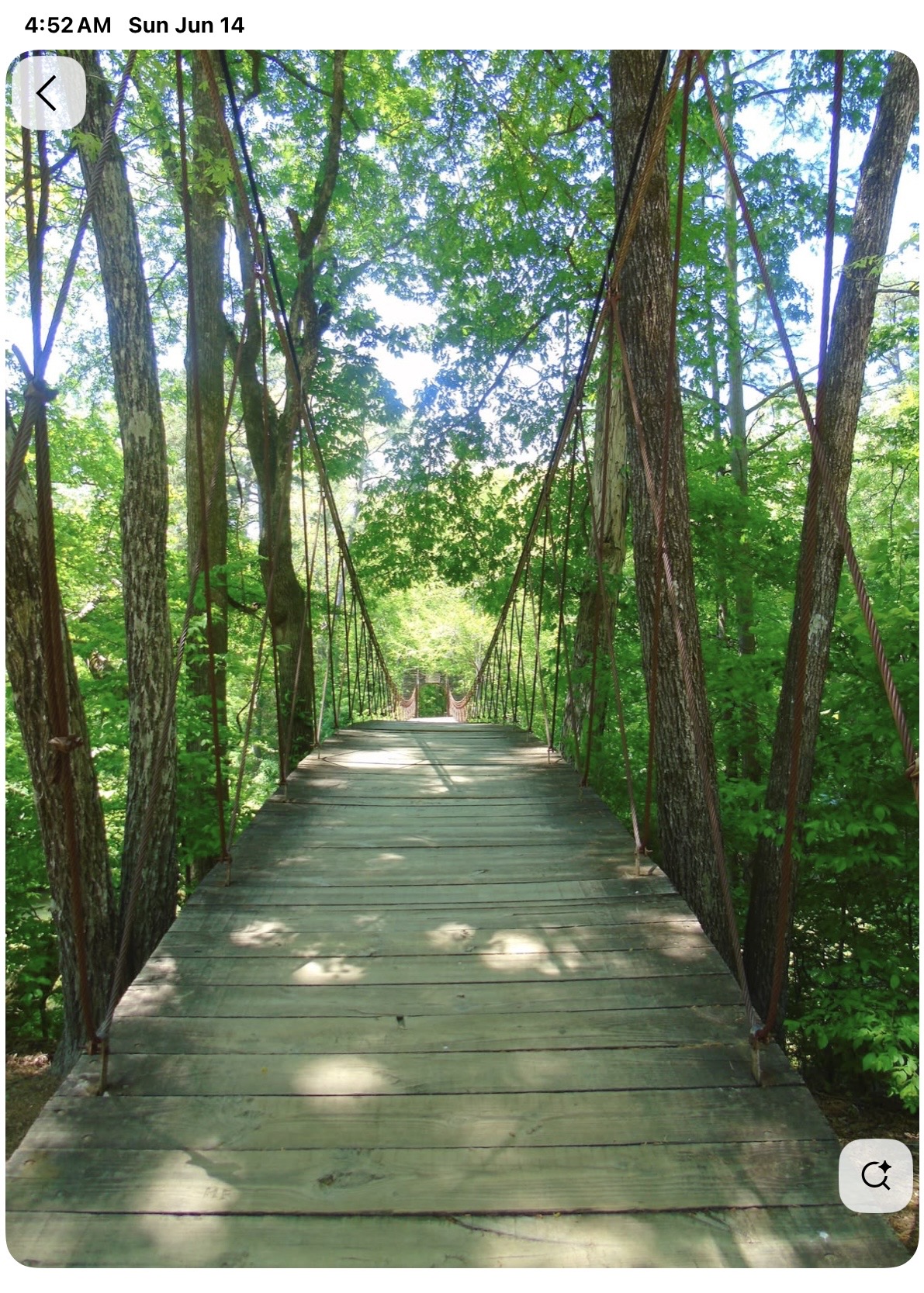
But during prayer one morning, I searched Pinterest for a Visio Divina exercise. The bridge image that caught my attention was very different. It was also a simple wooden bridge, but the atmosphere was bright and peaceful. The sky was blue, the trees were lush and green—much like they are on my patio here in Téglás and on the patio at Mom’s house in Illinois.
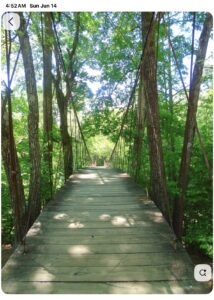
Calm. Sunny. Safe.
The bridge looked sturdy and inviting. The ropes along its sides were strong and secure. It felt like an invitation from God to trust Him.
The image was full of hope. It reminded me that although I am in transition, both worlds are known and loved, safe and joyfully anticipated. In many ways, they are not so different after all.
Then yesterday, we joined Maggie’s school for a picnic on Hajógyári Island in Budapest. Ruth excitedly told us that we would be crossing her “ugly bridge.”
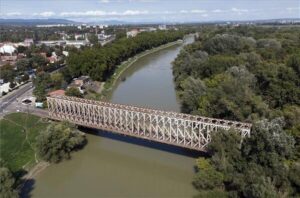
Back when she was in middle school and still living with us in Téglás, Ruth had been assigned a project about a bridge in Budapest. While her classmates chose famous and beautiful bridges, she—being delightfully contrary and determined to be different—selected a rusty, unattractive bridge that few people would notice.
Little did she know that it stood across from her future high school and would become the gateway to countless activities, friendships, and memories.
Imagine her surprise when she first visited the island with her class and realized, “Oh! It’s my ugly bridge!”
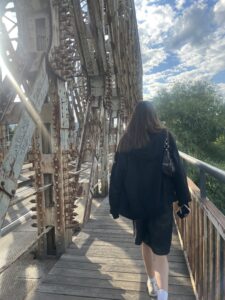
I was happy to see the bridge for myself. As I walked across it, the mother of one of Maggie’s classmates told me she had grown up in that neighborhood and that the bridge brought back wonderful childhood memories.
All this talk of bridges made me reflect.
Sometimes, if I’m honest, Budapest has felt like an ugly bridge to me.
As a parent, sending our daughters to live in a city of nearly two million people was frightening. When we visit, we often seem to be walking through the city in the dark or in the rain. We don’t experience only the beauty of Parliament and the tourist districts that visitors enjoy on sunny days.
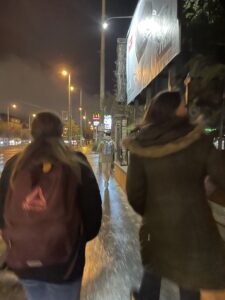
We also see homelessness, graffiti, the smell of urine, and bus exhaust.
Over the past four years, our girls have experienced some difficult and painful moments in Budapest.
And yet, it has been a beautiful season of growth for them—and for us as a family.
Ruth and Maggie now navigate the city with confidence and ease. They have favorite parks, restaurants, and routines. They have formed friendships, gained independence, and discovered strengths they didn’t know they possessed.
In fact, Ruth doesn’t want to leave.
Yet now she, too, stands before a bridge of her own, preparing to leave high school and step into adulthood.
Perhaps that is the lesson bridges keep teaching me.
What first appears uncertain, unattractive, or even frightening can become a pathway to growth, joy, and belonging. The bridge itself is not the destination. It simply carries us from one season to another.
And sometimes, when we look back, we discover that even the “ugly bridges” have become beloved.
Thanks for reading. If you’d like to share your thoughts about this journal or ask questions about our ministry, please write to us at stanton@internationalministries.org.

![[pie chart]](https://internationalministries.org/wp-content/themes/blankslate/getPieChart2.php?p=0.88)